November 5, 2026
Decoding the Ottawa Real Estate Market: Suburban Infill Dynamics
The Ottawa real estate market continues to evolve, with suburban infill projects reshaping established communities. Understanding these dynamics is crucial for strategic moves.
The Ottawa real estate market is rarely static. While much attention rightly focuses on new master-planned communities on the fringes or high-rise developments in the core, a significant and often overlooked force reshaping our city is suburban infill. This isn't about gentrification; it's about densification within established residential areas, impacting property values, school capacities, and local infrastructure. For serious buyers, sellers, and investors, understanding these nuanced dynamics is critical to making informed decisions in the current market.
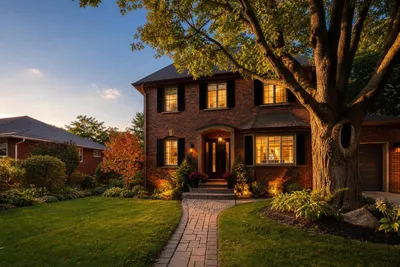
Over the past 24-36 months, we've seen a noticeable acceleration in infill activity, particularly in areas initially developed mid-century. Communities like Alta Vista, parts of Crystal Beach, and even older sections of Orleans are experiencing this transformation. These are areas with mature tree canopies, larger lot sizes relative to contemporary builds, and proximity to existing amenities. The appeal for developers is clear: existing infrastructure, established schools, and shorter commute times than greenfield sites. For homeowners, it means potentially enhanced property values but also shifts in neighborhood character and density.
The Anatomy of Suburban Infill in Ottawa
Suburban infill in Ottawa typically manifests in several forms, each with distinct implications:
- Severance and Duplex/Triplex Construction: A single large lot is divided, allowing for two or three new dwelling units. This is prevalent in areas with R2 or R3 zoning that permits such density. For instance, a 75'x150' lot in Alta Vista, once holding a 1960s bungalow, might now host two modern semi-detached homes, each on a 37.5' front lot. The original character of the street often changes significantly.
- Replacement Homes: An older, smaller home is purchased, demolished, and replaced with a substantially larger, more modern custom build or speculative development. This is common in desirable areas with good school catchments or transit access, such as parts of Central Park or Fisher Heights.
- Lane-way or Coach Houses: While less common than in some other major Canadian cities, there's a growing interest and enabling policy for secondary dwelling units, often detached, in rear yards. This can increase rental income potential for homeowners and add density without full lot severance.
These activities contribute to the overall supply, but it's a very specific kind of supply – typically higher-end, larger homes on smaller lots, or multi-unit dwellings. This affects the availability of entry-level housing in these areas, driving up the cost of older, smaller homes that are ripe for redevelopment.
Where Infill is Most Active
Specific pockets across Ottawa are seeing concentrated infill development. Beyond the core, consider:
- Alta Vista/Riverview Park: Proximity to CHEO, The Ottawa Hospital, and downtown, combined with larger lot sizes, makes these areas prime targets. Streets like Ridgemont Avenue or parts of Knox Crescent have seen numerous teardowns and new builds, fetching upwards of $1.5M for the new construction.
- Crystal Beach/Lakeview Park: With its access to the Ottawa River, Andrew Haydon Park, and the Kanata tech hub, this area offers compelling value for developers. Older bungalows are being replaced with larger family homes, often leveraging waterfront or greenspace access.
- [Beacon Hill](/beacon-hill-real-estate) North/South: Accessibility to the Montfort Hospital, NRC, and established French schools makes these appealing. Infill here often focuses on maximizing lot potential, sometimes introducing townhome-style developments on former single-family plots.
Understanding these geographical trends is crucial for assessing future property values and neighborhood evolution. For a deeper dive into overall market trends and specific community insights, I encourage you to review our Ottawa real estate market insights page.

Impact on the Ottawa Real Estate Market
The ripple effects of suburban infill are multifaceted, touching everything from infrastructure to schools.
- Property Values: Infill generally pushes up land values in targeted areas. An older bungalow might be valued primarily for its land, with the existing structure holding little to no perceived value in a redevelopment scenario. This creates a floor for pricing that can inflate the market for even well-maintained older homes if they sit on desirable lots.
- Housing Supply: While infill technically adds dwelling units, it often replaces more affordable older homes with higher-priced new constructions. This can exacerbate the affordability challenge in established neighborhoods, making it harder for first-time buyers or those seeking renovation projects to enter these markets.
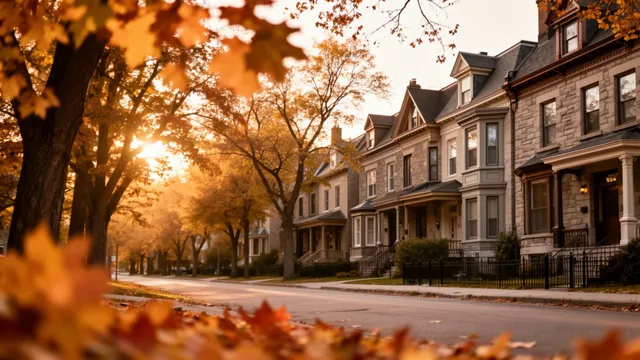
- Neighborhood Character: The visual aesthetic of a street can change dramatically. Modern, often larger, infill homes can contrast sharply with the original housing stock, leading to discussions within community associations regarding design guidelines and material choices. This is an ongoing conversation with the City of Ottawa's planning department.
- Infrastructure Strain: More units on the same land mean increased demands on existing municipal services—water, sewer, road capacity, and waste collection. While generally planned for, localized strain can occur during peak development periods.
- School Catchments: Increased density can lead to growing student populations, potentially straining capacity at popular schools like those in the Broadview Public School or Featherston Drive Public School catchments. Families buying into these areas need to be aware of potential boundary changes or portables.
Strategic Considerations for Buyers & Sellers
- For Buyers: Identify if the neighborhood you're targeting is experiencing significant infill. Are you comfortable with increased density and potentially fewer traditional "starter homes"? Conversely, new infill can mean access to modern amenities and designs in a mature area. Research zoning diligently.
- For Sellers: If your property sits on a large, well-located lot, understand its "land value" potential. You might attract developers willing to pay a premium over a traditional homeowner. Ensure your listing agent can articulate this value proposition effectively.
- For Investors: Multi-unit infill provides strong rental income potential, especially if located near transit (e.g., OC Transpo's Confederation Line stations like Hurdman or Blair) or employment hubs.

Future Trends and Your Ottawa Real Estate Strategy
The trajectory of suburban infill in the Ottawa real estate market is likely to continue, driven by pressures for sustainable growth and a desire to leverage existing urban infrastructure. The City of Ottawa's Official Plan promotes intensification, and as land for greenfield development becomes scarcer or more expensive, infill will remain an attractive option for builders.
Expect to see more streamlined processes for secondary dwelling units and potentially more sophisticated multi-unit developments in areas previously dominated by single-family homes. This is not a market trend to be ignored; it's a fundamental shift in how Ottawa is growing from within.
As your trusted real estate advisor, I monitor these micro-market trends intensely. My clients benefit from insights that go beyond general statistics, focusing on how specific zoning, proposed developments, and neighborhood plans will affect their property decisions.
Frequently Asked Questions About Suburban Infill
1. What areas are most likely to see suburban infill in Ottawa? * Areas with larger, older lots, established infrastructure, and R2/R3 zoning, particularly those close to major transit, employment centers, or highly-rated schools, are prime candidates. Think Alta Vista, parts of Crystal Beach, and older sections of Orleans or Barrhaven. 2. How does infill development affect property taxes? * Generally, new, larger homes will result in higher property assessments and thus higher taxes. This can indirectly influence the assessed values of surrounding older homes, though typically to a lesser extent, as the new builds set a higher ceiling for the neighborhood. 3. Is it better to buy an infill property or an older home in an infill-prone area? * This depends entirely on your objectives. An infill property offers modern construction, potentially fewer maintenance issues, and energy efficiency. An older home in such an area might represent better value for someone willing to renovate or a speculative play for a developer, but comes with the risk of ongoing construction nearby.
Navigating the nuances of the Ottawa real estate market requires an understanding of these precise, localized dynamics. For a tailored discussion on how suburban infill might affect your specific property goals, contact me today.
Straight From the Source
Check the numbers yourself
These are the official sources I use for current Ottawa real estate data, government programs and buyer protection.
Featured homes
Current listings in Alta Vista
On the market
Homes for sale in Alta Vista
Condos, townhomes, semis, and detached homes from the Ottawa MLS board, refreshed daily. Commercial, land, and rental listings aren't included here.
Listing information is supplied by third-party brokerage and listing data sources. Status, price and details can change without notice, are believed reliable but are not guaranteed, and must be independently verified. Shown for personal, non-commercial use. Not intended to solicit properties already listed with another brokerage. Full disclosures.