August 24, 2026
Best Ottawa Neighbourhoods for Transit-Oriented Living & Investment
Explore top Ottawa neighbourhoods offering strategic transit access for homeowners and investors. We delve into specific areas optimizing commutes and property value.
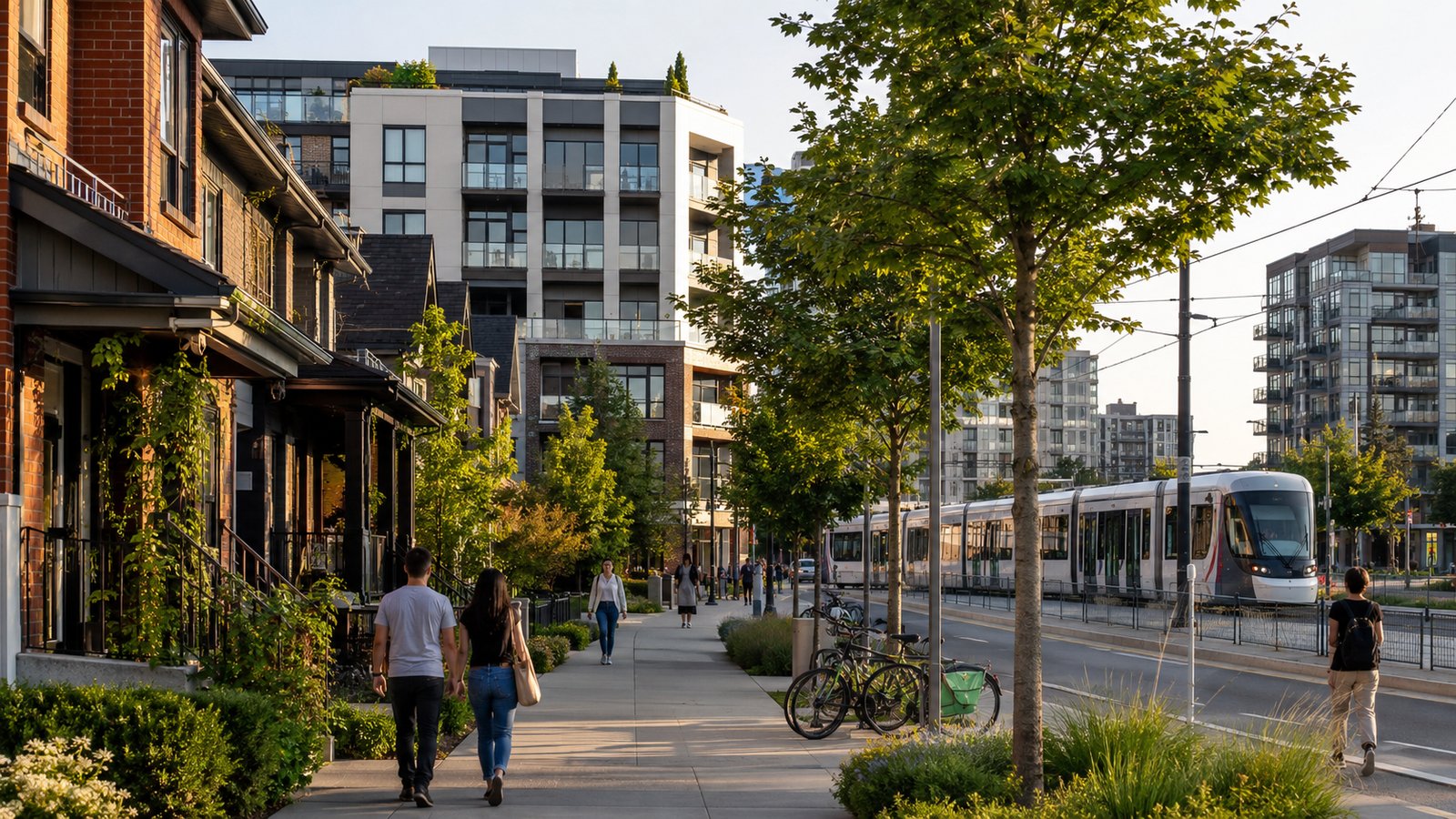
Identifying the best Ottawa neighbourhoods is not a static exercise; it evolves with infrastructure, market dynamics, and resident priorities. For a discerning buyer or investor, transit-oriented development (TOD) represents a critical lens through which to evaluate long-term value, convenience, and lifestyle. As Ottawa's LRT system expands and refines its reach, strategic proximity to these arteries increasingly dictates property desirability and appreciation potential. This analysis focuses on areas where the current and planned transit network significantly enhances daily living and investment viability.
My clients, whether seeking a primary residence with an efficient commute or an investment property with strong rental demand, consistently prioritize locations that minimize reliance on personal vehicles. The benefits extend beyond convenience: reduced transportation costs, environmental impact, and increased walkability all contribute to a higher quality of life and, crucially, sustained property value.
The LRT's Influence: Connectivity as a Value Driver
The Confederation Line (Line 1) and the Trillium Line (Line 2) are not merely transportation routes; they are economic corridors shaping urban development. Phase 2 expansions, though experiencing their share of challenges, will fundamentally redefine accessibility for vast segments of the city. Understanding the current and future reach of this network is paramount.
Consider the operational reliability and strategic placements of stations. Proximity to a station, particularly one that serves as a hub or offers connections to multiple lines, acts as a significant value multiplier. It's not just about the current distance to a stop, but the future planned infrastructure and density that will inevitably follow.
Core Neighbourhoods with Established Transit Advantages
Certain central areas inherently benefit from their long-standing integration into Ottawa's transit fabric. These are not revelations, but their sustained performance warrants reiteration.
- [Centretown](/centretown-real-estate): Unsurprisingly, Centretown remains a prime example. With multiple Line 1 stations (Lyon, Parliament, Rideau) providing immediate access to the downtown core, ByWard Market, and federal workplaces, its appeal for urban professionals and renters is unwavering. The condominium market here, both new and resale, directly leverages this connectivity. Consider properties near Kent Street or Elgin Street for maximum walkability and transit access.
- [Sandy Hill](/sandy-hill-real-estate): Positioned adjacent to downtown and the University of Ottawa, Sandy Hill benefits from the Rideau and uOttawa stations. It's a perennial favourite for students and faculty, ensuring consistent rental demand. The blend of historic homes and newer infills, combined with proximity to essential services and educational institutions, makes it a robust investment.
- [Westboro](/westboro-real-estate)/[Hintonburg](/hintonburg-real-estate): While Westboro has seen significant luxury infill, Hintonburg, with its vibrant commercial strip along Wellington Street West and immediate access to Tunney's Pasture and Bayview stations (Line 1 and future Line 2 transfer point), represents an exceptional TOD case. Bayview is critical, linking the city's east-west and north-south spines. Properties within a 10-15 minute walk of these stations command a premium.
Emerging & Re-evaluating Transit-Rich Opportunities
Beyond the established core, several neighbourhoods are either realizing new transit advantages or are poised for significant uplift as Phase 2 progresses.
- Old Ottawa East: The O-Train expansion of the Trillium Line (Line 2 South Extension) directly benefits Old Ottawa East via the Lees Station. This opens up efficient routes to Carleton University, Mooney's Bay, and ultimately, the airport. The blend of community feel, canal access, and improved transit makes this area increasingly compelling for families and investors alike.
- Riverside South/[Barrhaven](/barrhaven-real-estate) (Future Line 2 South Extension): While currently car-dependent, the full activation of the Line 2 South Extension will fundamentally transform these communities. New stations like Limebank (Riverside South) and Nepean Sportsplex (Barrhaven) will connect thousands of residents directly to employment hubs and downtown. Savvy investors are already looking at these areas, anticipating the value uplift that occurred in similar communities post-LRT Phase 1. The sheer volume of new builds in these sectors makes them attractive for those seeking modern housing with future transit benefits.
- Queensway Terrace North / Pinecrest (Future Line 3 West Extension): With Phase 2's western expansion, areas around Lincoln Fields and Pinecrest stations will see significantly enhanced connectivity. Lincoln Fields, as a major transfer point, will become a focal point. For those seeking slightly more affordable entry points into the transit-accessible market, this corridor presents opportunities that warrant careful analysis as construction progresses.
- Orleans (Future Line 1 East Extension): The eastward extension of Line 1, reaching stations like Place d'Orléans and Trim, will be transformative for this large suburban community. The prolonged commute times that have historically plagued Orleans residents will be drastically cut. This will likely drive demand for properties within walking or short bus distances of these new stations, increasing their appeal for both owner-occupiers and those seeking rental income.
Investment Metrics for TOD Properties
When evaluating properties based on transit access, consider these critical factors:
- Walking Distance to Station: Generally, properties within a 10-15 minute walk (approx. 800m-1.2km) from an LRT station command the highest premiums and offer the best rental yields from transit-reliant tenants.
- Connectivity: Is the station on a direct line to major employment centers (Downtown, Tunney's Pasture, St. Laurent Business Park, Kanata Tech Park via feeder routes)? Are there easy transfer points?
- Local Amenities & Walk Score: Transit access is amplified when combined with a high walk score. Proximity to grocery stores, pharmacies, schools, and parks reduces reliance on cars for all daily needs.
- Future Development Plans: Examine zoning changes, planned infills, and commercial developments around stations. These indicate confidence in future growth and demand.
For a deeper dive into the unique characteristics of specific areas, I encourage you to explore my dedicated resource on the best Ottawa neighbourhoods, which offers granular insights into various communities across the city.

FAQ: Transit & Ottawa Real Estate
Q: How much value does LRT proximity add to a property? A: While highly dependent on the specific neighbourhood and property type, studies and market observations consistently show a premium of 5-15% for properties within a comfortable walking distance of a major LRT station compared to similar properties further afield. This is more pronounced in high-density areas.
Q: Are there any downsides to living near an LRT station? A: Potential downsides can include increased noise levels, higher foot traffic, and sometimes, increased property taxes due to appreciating values. However, these are often offset by convenience, reduced transportation costs, and stronger resale potential.
Q: Should I prioritize current or future LRT access when buying? A: For immediate lifestyle benefits, prioritize current access. For strategic long-term investment, consider areas with confirmed future LRT access where property values have not yet fully priced in the upcoming infrastructure, offering potential for significant appreciation. Always verify construction timelines and progress.
Understanding these dynamics is key to making informed real estate decisions in Ottawa. Whether you're looking for your next home or a strategic investment, the impact of transit cannot be overstated. When considering the best Ottawa neighbourhoods for your goals, look beyond the immediate and evaluate the long-term strategic advantages that infrastructure provides.
Ready to strategize your next move in Ottawa's dynamic real estate market? Contact me for a focused consultation.
Straight From the Source
Check the numbers yourself
These are the official sources I use for current Ottawa real estate data, government programs and buyer protection.
Featured homes
Current listings in Barrhaven
On the market
Homes for sale in Barrhaven
Condos, townhomes, semis, and detached homes from the Ottawa MLS board, refreshed daily. Commercial, land, and rental listings aren't included here.
Listing information is supplied by third-party brokerage and listing data sources. Status, price and details can change without notice, are believed reliable but are not guaranteed, and must be independently verified. Shown for personal, non-commercial use. Not intended to solicit properties already listed with another brokerage. Full disclosures.