Street Patrick Street
St. Patrick Street serves as a vital historic and residential corridor linking Sussex Drive and the ByWard Market directly to the Rideau River in central Ottawa.
St. Patrick Street cuts an east-west path through the heart of historic Lowertown, serving as one of central Ottawa's most architecturally diverse and functionally significant corridors. Running from the ceremonial gates of Sussex Drive to the St. Patrick Bridge over the Rideau River, this street shifts from cultural grandeur to dense urban residential living. For buyers and commercial operators alike, understanding St. Patrick Street means appreciating its distinct segments, its zoning complexities, and its proximity to the federal core.
What's on the street
The western terminus of St. Patrick Street begins opposite the National Gallery of Canada and adjacent to Notre-Dame Cathedral Basilica, where historic limestone architecture establishes an immediate sense of permanence. Here, cultural institutions, foreign embassies, and the Royal Canadian Mint define the perimeter. As you move eastward across Parent Avenue and Dalhousie Street, the commercial energy of the ByWard Market intersects with historic stone row houses and late-nineteenth-century timber-framed dwellings.
The central stretch between Dalhousie Street and King Edward Avenue features a mix of mid-century multi-family buildings, converted duplexes, and modern infill condominium projects. Ground-level operations include architectural studios, neighborhood convenience storefronts, and independent service professionals operating out of heritage brick buildings.
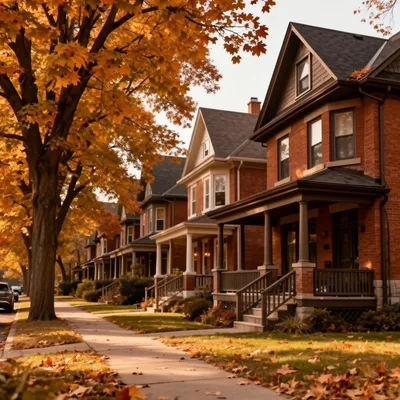
East of King Edward Avenue, St. Patrick Street transitions into a predominantly residential neighborhood with deeper setbacks, mature deciduous tree canopies, and community infrastructure. Key anchor points include:
- Jules Morin Park: A central gathering point equipped with an outdoor artificial ice rink, a community fieldhouse, a splash pad, and mature green spaces.
- Bingham Park: Located just to the north on Cathcart, providing complementary recreational fields and play structures.
- Lowertown Community Resource Centre: Anchoring neighborhood social infrastructure and community programming.
- École secondaire publique De La Salle: Positioned slightly south on Old St. Patrick, an acclaimed arts-focused public high school that brings daytime vitality to the corridor.
- Institutional and Embassy Compounds: The western edge connects directly to diplomatic missions and federal office complexes, including Global Affairs Canada at the Lester B. Pearson Building.
The eastern end terminates at the bridge over the Rideau River, offering scenic views toward Riverain Park and direct access to Vanier Parkway.

Why homeowners like Street Patrick Street
Homeowners are drawn to St. Patrick Street for its uncompromised urban connectivity combined with neighborhood authenticity. Unlike sterile high-rise clusters found in parts of the downtown commercial core, St. Patrick Street retains real community texture, historic craftsmanship, and direct access to major parklands.
The lifestyle appeal centers on hyper-local convenience. Residents can complete their daily errands entirely on foot, utilizing the urban commercial offerings along Dalhousie and Rideau streets without relying on private vehicles.
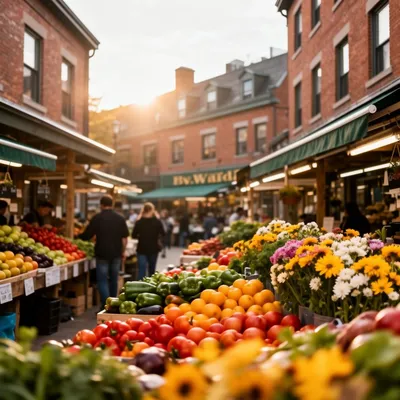
- Daily Provisioning: A full-format Loblaws on Rideau Street, along with specialized produce markets, bakeries, and butcher shops throughout the ByWard Market, sits within a ten-minute walk.
- Cultural Proximity: Weekend leisure does not require transit; the National Gallery, the Ottawa River pathways, and Major's Hill Park serve as extended backyards.
- Healthcare and Social Services: The Bruyère Health Élisabeth-Bruyère Hospital campus is situated immediately adjacent to the western blocks, providing vital clinical care and substantial local employment.
- Educational Catchments: Families have access to French-language and English-language educational pathways, including École élémentaire catholique Sainte-Anne and Lisgar Collegiate Institute to the south.
Residential properties on the eastern half of the street enjoy noticeably reduced pedestrian traffic compared to the market core, providing a relatively peaceful residential environment steps from central Ottawa's employment nodes.

Why it works for nearby businesses
For commercial tenants, boutique professional firms, and creative agencies, St. Patrick Street offers tactical advantages over standard Class-A commercial towers. The street delivers prominent exposure without the exorbitant operating costs and restrictive lease structures typical of downtown commercial office buildings.
The street acts as an east-west conduit between Gatineau commuters using the Alexandra Bridge and residents traveling toward the Vanier Parkway and Highway 417. This generates high daily traffic counts, providing commercial signage with substantial organic visual impressions.
Furthermore, the dense surrounding residential population creates reliable local customer demand for medical practices, legal chambers, personal wellness studios, and specialty culinary shops. The proximity to federal headquarters—most notably Global Affairs Canada—makes the street an ideal base for non-governmental organizations, diplomatic consultants, and defense-sector contractors who require rapid access to official meetings.

Getting around
Transit and vehicular logistics on St. Patrick Street are among the most direct in the city, though navigation requires understanding the flow of Ottawa's central arterial grid.
St. Patrick functions as a primary eastbound traffic artery, directing vehicles smoothly out of the downtown core toward eastern employment districts and major highways. Westbound traffic flows via parallel Murray Street. Drivers also benefit from immediate north-south access along King Edward Avenue, linking directly to Quebec via the Macdonald-Cartier Bridge.
Public transit accessibility is centered around the following connections:
- Rideau O-Train Station: Located less than fifteen minutes away on foot, linking commuters directly to Line 1 of the light rail system for rapid east-west transit across Ottawa.
- OC Transpo Local Routes: Bus routes along Dalhousie, King Edward, and Rideau provide frequent surface connections to downtown office towers and the University of Ottawa campus.
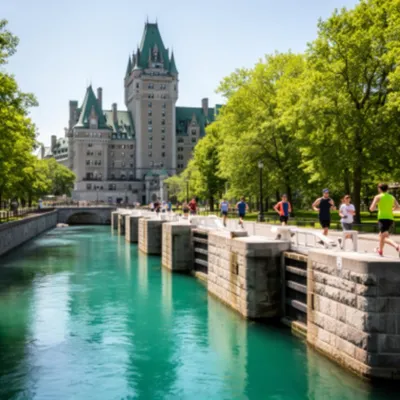
- Active Transportation Networks: The dedicated multi-use paths along the Ottawa River, Rideau Canal, and Rideau River connect directly to both ends of St. Patrick Street, making bicycle commuting practical for eight to nine months of the year.
- Interprovincial Crossings: Walking or cycling across the Alexandra Bridge into Gatineau's Place du Portage commercial complex is an easy, ten-to-fifteen-minute routine for federal public servants.
What the market looks like
The real estate market on St. Patrick Street is characterized by tight inventory and durable long-term demand. With only 1 active listing currently observed on the open market, properties along this corridor trade infrequently, particularly freehold inventory and well-managed boutique condominium units.
Valuations vary widely based on the specific micro-block and property category:
- Low-Rise Condominiums: Built largely from the late 1980s through the 2010s, these units appeal to buyers seeking central living without high condo fees. Well-maintained two-bedroom suites trade steadily, supported by strong rental yields from diplomatic personnel and downtown professionals.
- Historic Freehold Row Homes: Victorian and Edwardian brick homes—many dating back over a century—command strong pricing when mechanical systems, foundations, and roofs have been thoroughly modernized. These properties often feature private courtyard gardens and rare off-street parking.
- Multi-Unit Heritage Investments: Duplex and triplex conversions provide strong cash flow potential due to near-zero vacancy rates in Lowertown for quality long-term rentals.
Sellers on St. Patrick Street benefit from a deep buyer pool seeking downtown alternatives to Centretown or the Golden Triangle. Buyers must perform rigorous due diligence regarding parking provisions, historical designations, and basement damp-proofing given the proximity to local river basins.
Who fits here
St. Patrick Street appeals to discerning urban buyers who value location efficiency over suburban square footage. It attracts federal civil servants, foreign embassy personnel, legal professionals, and academics at the University of Ottawa who prioritize walking to work over maintaining multiple vehicles.
It is equally suited to professional couples wanting an authentic urban neighborhood close to cultural venues, downsizers moving inward from outer suburbs to access a walkable lifestyle, and multi-family investors targeting bulletproof downtown tenant demand. For residents who thrive on historic streetscapes, cultural landmarks, and immediate urban access, St. Patrick Street remains one of Ottawa's most grounded addresses.
Straight From the Source
Check the numbers yourself
These are the official sources I use for current Ottawa real estate data, government programs and buyer protection.
Thinking about a move on Street Patrick Street?
I keep an eye on active listings, sold comps, and off-market opportunities on this street. Reach out and I'll walk you through what's happening.
Book a conversation