May 28, 2026
Red Flags in a Home You're About to Fall in Love With
Foundation, roof, electrical, plumbing — the issues worth walking away from.
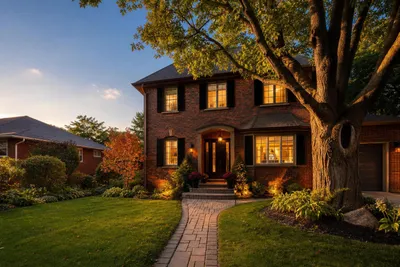
Falling in love with a home is normal. Ignoring its red flags because you've fallen is expensive. Here are the issues serious enough to walk away from — or at minimum, to renegotiate hard on.
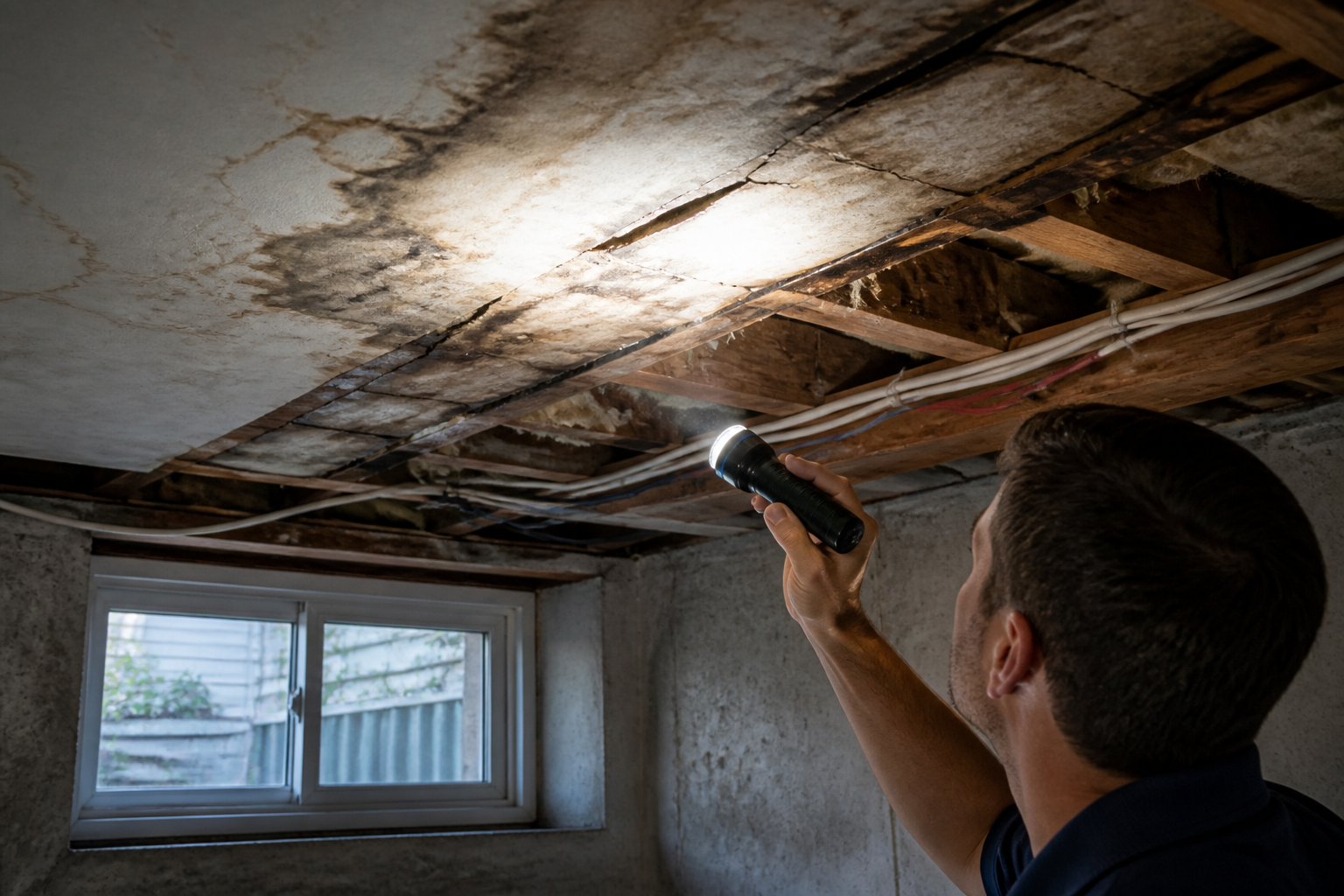
Foundation movement is the big one. Step cracks wider than a quarter-inch through brick or block, horizontal cracks in poured concrete walls, doors and windows visibly out of square, floors that slope noticeably when you set a ball down — any one of these warrants a structural engineer's review before you remove conditions. Repairs can range from $5,000 (minor underpinning) to $80,000+ (full wall rebuild and waterproofing).
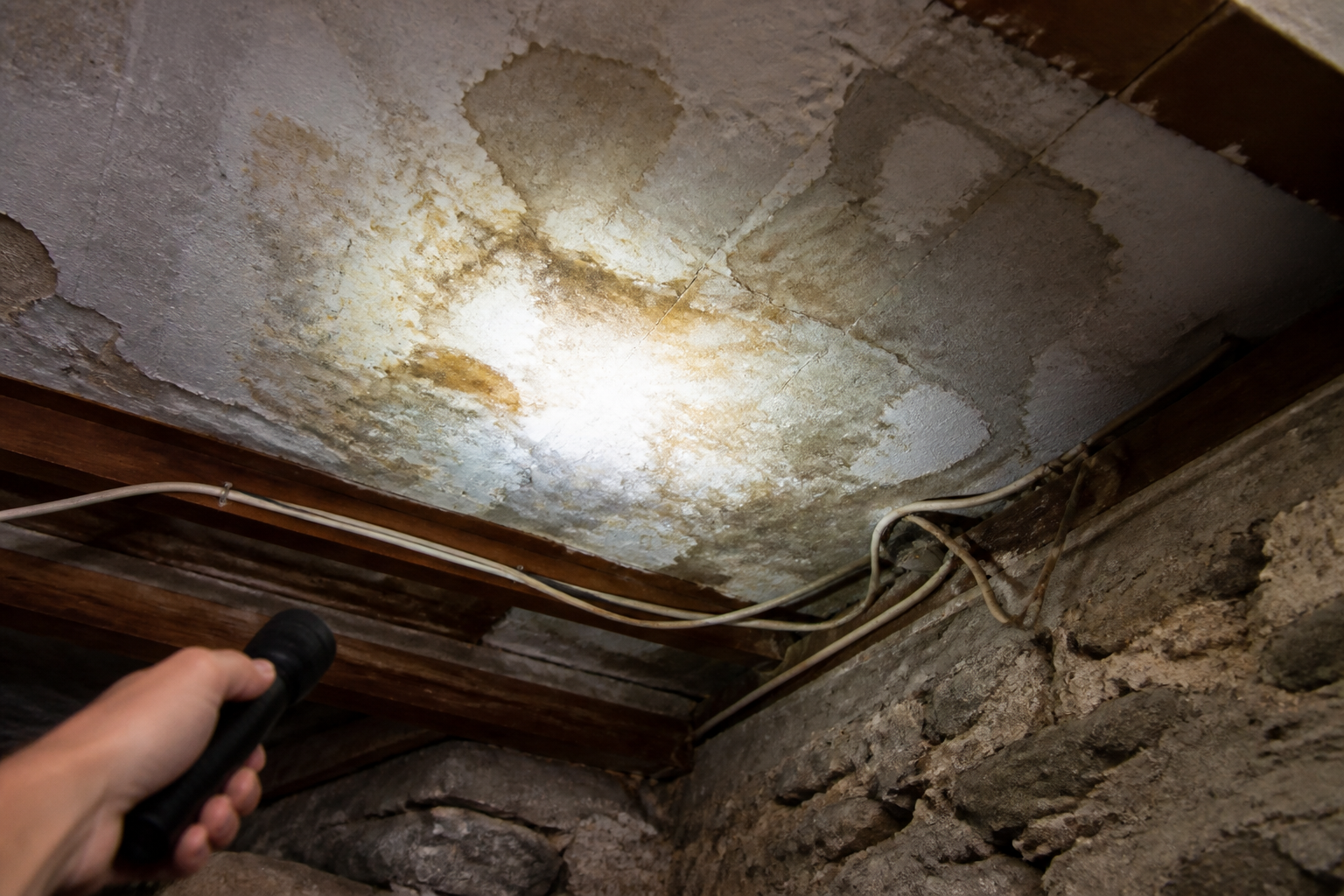
Knob-and-tube wiring and Federal Pioneer Stab-Lok panels are insurer red flags. Many Ontario insurers won't write a policy until knob-and-tube is removed, and the Stab-Lok panels have a documented history of failing to trip. Budget $4,000–$12,000 for panel replacement and $8,000–$25,000+ for partial or full rewiring depending on home size and accessibility.
Galvanized supply lines or lead service lines bring water-quality and pressure problems. Galvanized pipes corrode from the inside; lead lines are a health issue. The City of Ottawa has a service line replacement program for the public portion, but the private portion (from the property line to the meter) is the homeowner's cost — typically $4,000–$12,000.
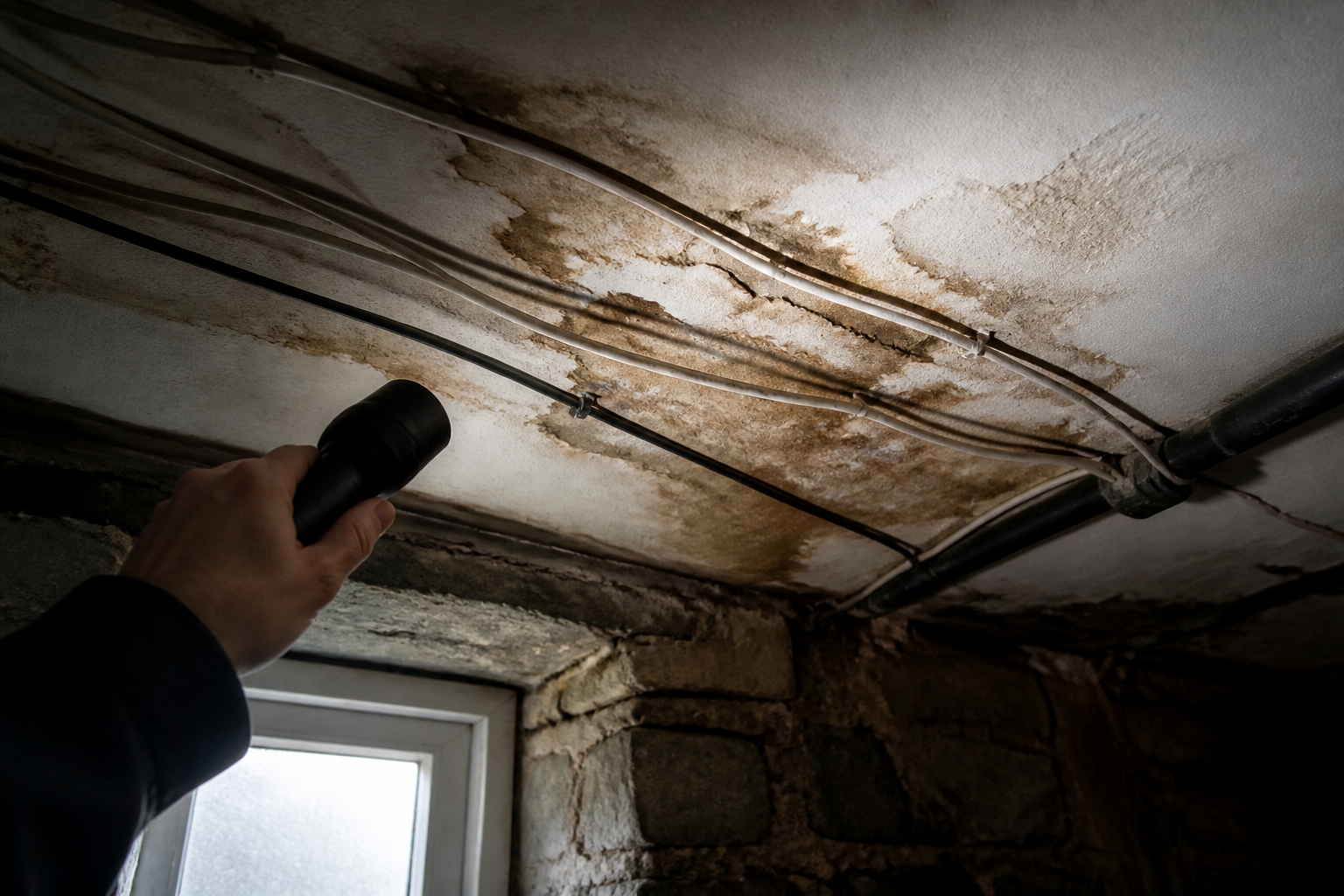
Moisture in the basement is more common than buyers realize and often hidden by fresh paint or finished walls. Look behind storage, near floor-to-wall joints, around window wells, and at the base of any obstructed wall. A musty smell is the tell. Get a home inspection that includes thermal imaging.
Roofs near end of life. An asphalt shingle roof typically lasts 20–25 years. If the roof is 18+ years old, budget $9,000–$18,000 for replacement in the next 1–5 years; factor that into your offer.
Unpermitted work — finished basements, decks, additions, second kitchens — is technically the seller's problem but legally becomes yours at closing. Insurers can deny claims on unpermitted work, and the municipality can order removal. Your lawyer should request an open-permits search and a compliance letter as a condition.
A red flag isn't always a deal-breaker. It's a number — what does it cost to fix, and is the price still right with that cost added? When the math works, you proceed. When it doesn't, you walk.
Further reading
More from the journal:
Trusted outside sources:
Straight From the Source
Check the numbers yourself
These are the official sources I use for current Ottawa real estate data, government programs and buyer protection.