June 2, 2026
Home Inspections: What's Worth It and What's Theatre
Which parts of an Ottawa home inspection are worth the money, which are theatre, and how to use the report to negotiate instead of just feeling reassured.

A home inspection is not a pass/fail test and it is not a warranty. It's an experienced second set of eyes that helps you decide whether to proceed, renegotiate, or walk away. Used well, it's the best $450–$700 a buyer spends.
A good Ottawa inspector spends 2.5–4 hours on a typical detached home. They visually inspect the roof (or use a drone when access is unsafe), structure, exterior, electrical panel and accessible wiring, plumbing under sinks and at fixtures, HVAC systems with the unit running, attic insulation and ventilation, basement foundation and visible framing, and they operate every accessible switch, outlet, faucet, and major appliance. They produce a written report within 24 hours with photos.
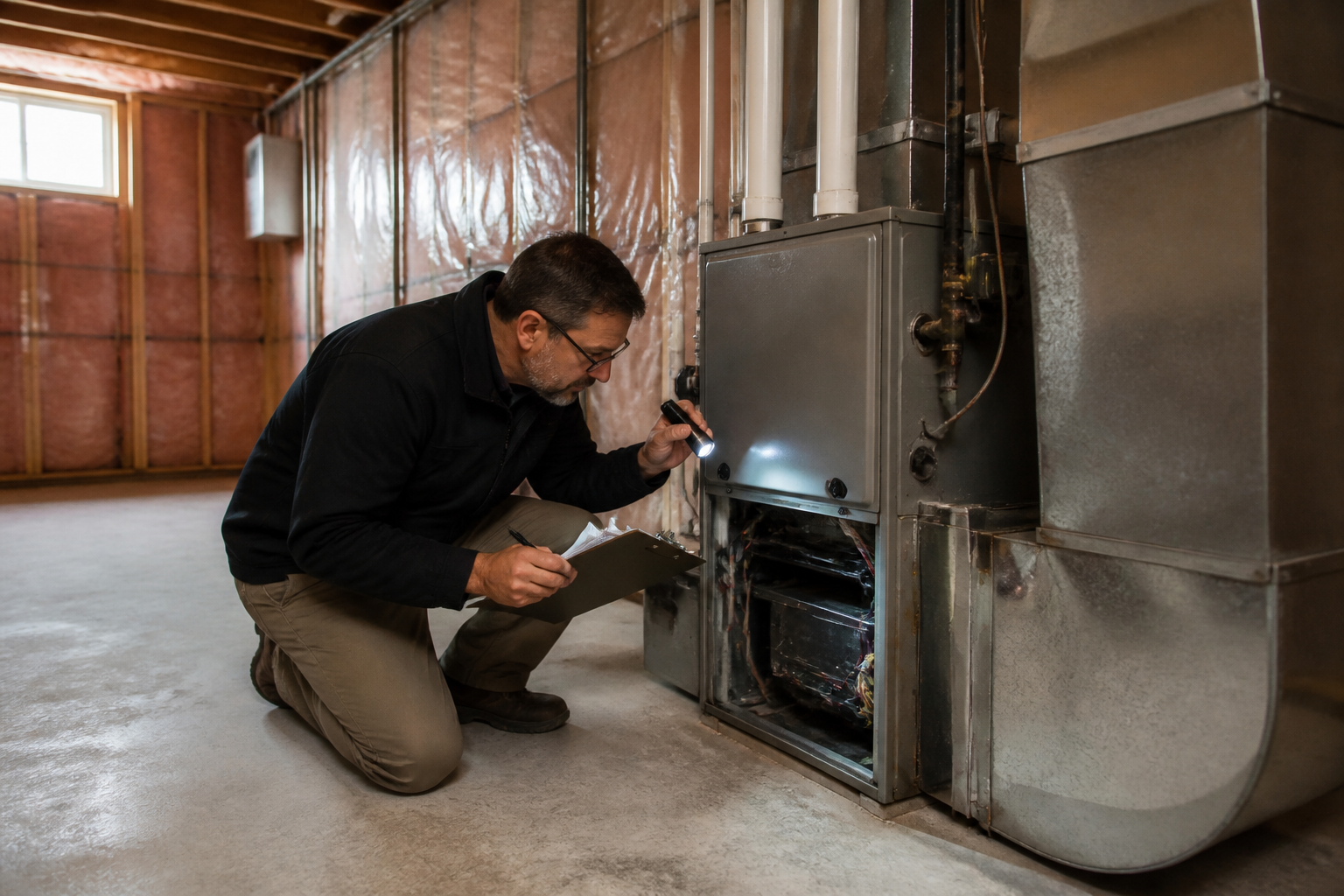
What an inspection does not cover: anything behind walls, anything under floor coverings, anything inside septic or sewer lines, environmental hazards (asbestos, mould, radon, UFFI) beyond visual indicators, and anything not safely accessible. For older Ottawa homes you may want add-on inspections: sewer scope ($250–$400, highly recommended for any home over 40 years old or with mature trees near the line), radon test ($200–$400, especially important in parts of Ottawa with known higher levels), and infrared thermal imaging (often included with a good inspector).
The report's value is the negotiation, not the binder. Use it three ways. First, walk away on dealbreakers — major structural issues, dangerous electrical, ongoing water infiltration that wasn't disclosed. Second, renegotiate price or repairs on meaningful findings — request a price reduction equal to the repair cost (sometimes more, since you're now the one managing the project) for items like an aging roof, a failed AC, or a panel upgrade. Third, accept and budget — the report becomes your homeowner's roadmap for the first five years.
What's theatre: inspection reports that flag every cosmetic crack, every loose hinge, and 47 pages of "general comments" with no prioritization. Those reports protect the inspector's liability, not the buyer. A good inspector tells you, in plain English, what's a $200 weekend fix, what's a $5,000 next-year project, and what's a $30,000 dealbreaker. Ask for inspector references before hiring.
Further reading
More from the journal:
Trusted outside sources:
Straight From the Source
Check the numbers yourself
These are the official sources I use for current Ottawa real estate data, government programs and buyer protection.