
June 7, 2026
Lawyers and Closing Day: What Actually Happens to Your Money
From deposit to keys, the chain of events your real estate lawyer manages.
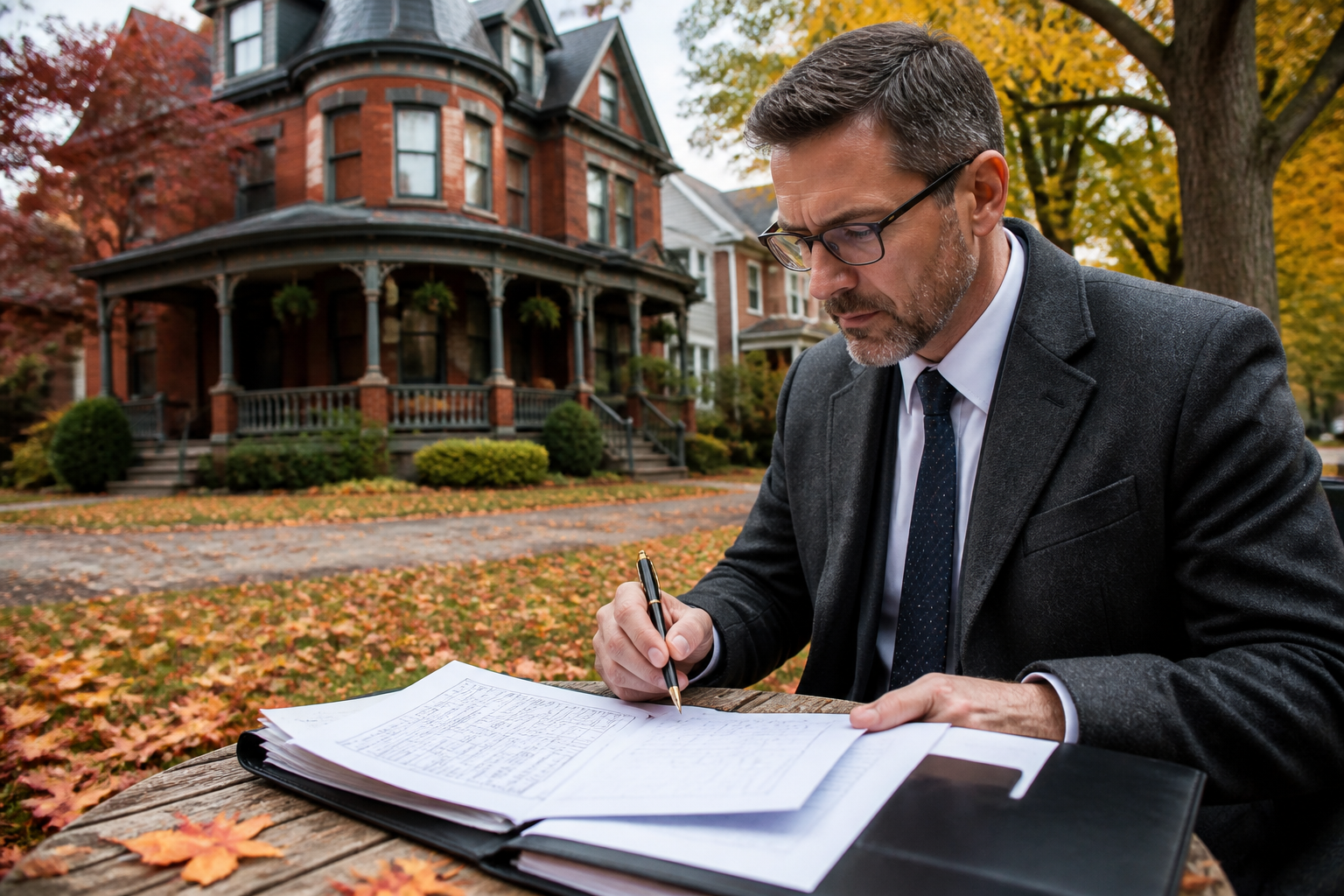
Closing day looks like a single event but it's actually a tightly choreographed week of paperwork and money movement managed by your real estate lawyer. Knowing what's happening reduces the closing-week anxiety to roughly zero.
Two weeks out, your lawyer requests the lender's mortgage instructions, the seller's lawyer's package (title documents, declarations, key undertakings), the latest property tax certificate from the City, and any condo status certificate updates if applicable. They review title for liens, easements, and registered restrictions. If anything's unusual, this is when it surfaces — usually fixable but better discovered now than on closing day.

One week out, your lawyer sends you a closing letter with the exact amount you need to wire or bring as a bank draft, the documents you need to sign, and an appointment to sign (often video, sometimes in-person). The closing amount is your down payment plus closing costs minus the deposit you already paid, plus the property tax and utility adjustments. Bring valid government ID to your signing — the lawyer needs to verify identity for the title transfer.
In the 24–48 hours before closing, the lawyer requisitions the mortgage advance from your lender. The funds land in the lawyer's trust account. The seller's lawyer sends final undertakings (promises to discharge the seller's existing mortgage from title with the proceeds). Your lawyer wires the purchase funds to the seller's lawyer's trust account in the morning of closing.
On closing day, electronic title registration happens through Ontario's Teraview system, usually between 10am and 3pm. Once registration is confirmed, the seller's lawyer authorizes key release — typically through the listing brokerage. The realistic timeline: keys are usually available between 2pm and 5pm, occasionally later. Do NOT book movers for 9am on closing day. Book for the afternoon or, ideally, the next morning.
In the week after closing, the seller's lawyer pays out the seller's mortgage and registers the discharge. Your lawyer registers your new mortgage and sends you a final reporting letter with the registered title documents, your owner's title insurance policy, and a statement of trust account. Save those forever.
What can go wrong: a last-minute title issue, a delayed mortgage advance, a wire transfer hold. Any of these can push closing by a day, occasionally more. Build a 24–48 hour cushion into your moving plans.
Further reading
More from the journal:
Trusted outside sources:
Straight From the Source
Check the numbers yourself
These are the official sources I use for current Ottawa real estate data, government programs and buyer protection.