June 8, 2026
Insurance Before You Take Possession: Why the Date Matters
Binding home insurance the moment your offer goes firm — and why your lender requires it.
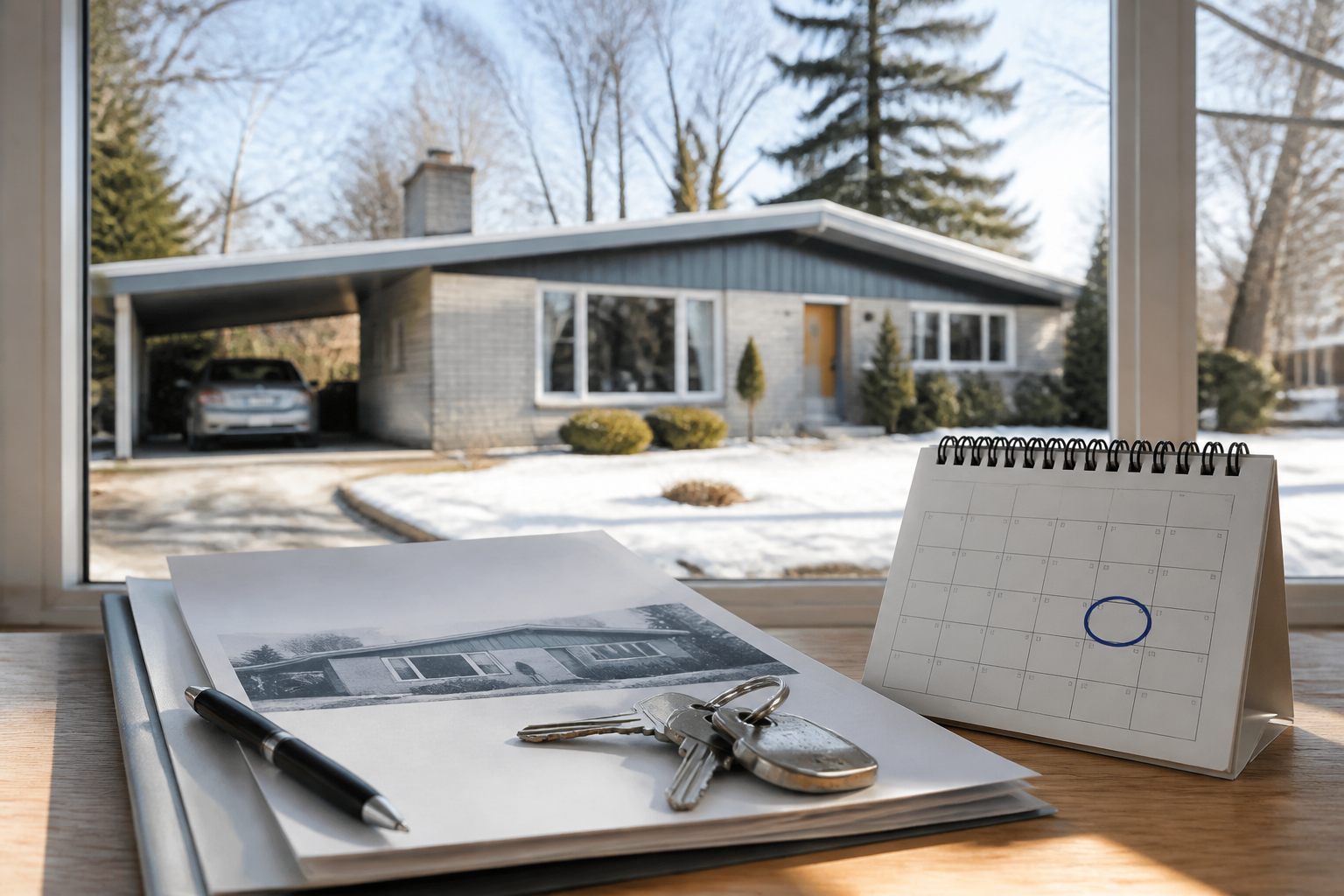
Home insurance is one of the few things a first-time buyer absolutely must arrange before closing — not after. Lenders require it, and the timing is more precise than buyers expect.
Lenders require a binder of insurance, in writing, before they release mortgage funds. The binder must show your name(s) as the insured, the property address, the dwelling coverage amount (usually the lender requires coverage at least equal to the mortgage), the policy effective date matching the closing date, and the lender named as loss payee. Most insurers can issue a binder within 24–48 hours of a complete quote application; some big-bank online platforms do it same-day.

Start shopping insurance 2–3 weeks before closing. Get quotes from at least three sources: a broker (who shops multiple insurers in one application), your existing tenant or auto insurer (who often offers a multi-line discount), and one direct online insurer for comparison. Rates vary by 30%–60% across insurers for the same home and same coverage — shopping pays.
What insurers want to know about an Ottawa home: year built, square footage, exterior construction, roof age and material, electrical panel type and amperage (Stab-Lok panels and any knob-and-tube wiring will trigger surcharges, exclusions, or outright declines), plumbing type (galvanized and polybutylene are problems), heating type (oil and wood require additional info), distance to fire hydrant and fire station, and history of insurance claims at the address.
What to actually buy. Guaranteed replacement cost on the dwelling (not "actual cash value" — that depreciates the payout), enough contents coverage (count up actual replacement cost of your belongings — most people are under-insured), water damage coverage that explicitly includes both sewer backup and overland water (two separate riders, both essential in Ottawa given climate change), and at least $1 million in personal liability ($2 million if you have a pool, trampoline, dog, or rental suite).
For new builds, insurers want occupancy date and may require an inspection. For condos, you only need a unit policy (covering your suite improvements, contents, and liability) — the building's policy covers the structure. Confirm with the condo corporation what the building policy actually covers; your suite policy should fill the gap, especially for upgrades you made or that were upgraded by a prior owner.
Further reading
More from the journal:
Trusted outside sources:
Straight From the Source
Check the numbers yourself
These are the official sources I use for current Ottawa real estate data, government programs and buyer protection.