June 27, 2026
Ottawa Real Estate Market: The Hidden Value of Infill Developments
Discover how infill developments are reshaping the Ottawa real estate market, offering unique opportunities for buyers and significant appreciation for investors.
The Ottawa real estate market is consistently evolving, and one of the most impactful shifts, often overlooked by general headlines, is the proliferation and strategic value of infill developments. This isn't just about new construction; it's about intelligent urban densification that offers distinct advantages for both homeowners and investors. Understanding how these projects reshape established communities is key to making informed decisions in our competitive market.
Traditionally, a significant portion of new housing stock in Ottawa has been concentrated in greenfield developments at the city's fringes, such as Stittsville, Findlay Creek, or Limoges. While these areas offer certain appeals, they often involve longer commutes and less immediate access to established amenities. Infill developments, by contrast, leverage existing infrastructure in mature neighbourhoods, transforming underutilized lots or replacing aging structures with modern, often higher-density, housing. This strategy is not merely about increasing supply; it's about optimizing urban living and bolstering property values where demand is highest.
Why Infill Developments Matter for Ottawa Real Estate
Infill projects are more than just construction sites; they are catalysts for neighbourhood revitalization and economic growth. They respond directly to the demand for urban living without expanding the city's footprint, mitigating some of the environmental and infrastructural strains associated with sprawl.
Strategic Location and Accessibility
The primary draw of infill housing is location. Developers are targeting areas like Westboro, Glebe, Old Ottawa South, and Hintonburg because these neighbourhoods boast:
- Established Infrastructure: Existing road networks, transit routes (including LRT stations), and utility services are already in place, reducing the need for costly new municipal investments.
- Mature Amenities: Residents have immediate access to established schools (e.g., Elmdale Public School in Westboro, Glebe Collegiate Institute), parks (e.g., Commissioners Park, Winston Avenue Park), commercial districts, and services. This means less waiting for new shops or community centres to be built.
- Transit Connectivity: Proximity to OC Transpo routes, particularly the Confederation Line (e.g., Tunney's Pasture Station for Hintonburg infills, Bayview Station for Mechanicsville), is a significant draw, reducing reliance on private vehicles.
This inherent locational advantage translates directly into higher desirability and, consequently, robust property value appreciation. Buyers are willing to pay a premium for convenience and an established community feel, which greenfield developments cannot immediately offer.
Modern Housing in Heritage Contexts
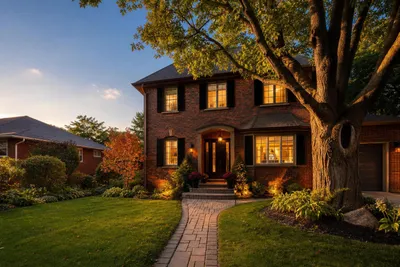
Infill doesn't necessarily mean sacrificing architectural character. While some projects introduce starkly modern designs, many developers are increasingly sensitive to the existing aesthetic of a neighbourhood. We're seeing thoughtful designs that blend new, energy-efficient structures with the surrounding historical architecture, often incorporating elements like brick facades or traditional massing while delivering contemporary interiors and layouts.
For instance, walking through sections of Old Ottawa East, you’ll observe new townhomes and semi-detached units replacing older bungalows, often featuring modern interpretations of classic styles. This approach rejuvenates the streetscape while retaining a sense of continuity.
Investment Potential and Appreciation
From an investment standpoint, infill properties present a compelling case. They are often less susceptible to the market corrections seen in more peripheral areas because their value is underpinned by strong demand for urban locations. The scarcity of buildable land in central Ottawa ensures that well-executed infill projects retain their value and appreciate consistently.
Consider a semi-detached infill built in a prime area of Fisher Park-Central Park. The initial investment might be higher than a comparable property in Barrhaven, but its annual appreciation rate, driven by factors like proximity to Carleton University, access to the Queensway, and desirable school catchments, often outpaces properties further afield.
Moreover, the nature of infill often lends itself to higher-density housing types, such as stacked townhouses or duplexes, which can generate strong rental yields for investors, particularly when situated near employment hubs or post-secondary institutions.

The Challenges and Nuances of Infill Development
While infill offers undeniable benefits, it's not without its complexities. Navigating zoning bylaws, community opposition, and the specialized construction requirements of existing urban landscapes demands expertise from developers.
- Zoning and Permitting: Ottawa's planning department has stringent regulations, and obtaining permits for demolition and new construction in established zones can be a protracted process. Understanding specific overlays, heritage designations, and committee of adjustment requirements is crucial.
- Community Integration: Residents in mature neighbourhoods often have valid concerns about increased density, traffic, and impact on local services. Developers who engage early and transparently with community associations often see smoother project approvals.
- Construction Logistics: Building on tight urban lots presents logistical challenges. Site access, material storage, and managing construction noise and debris in residential areas require careful planning and execution.
For buyers and investors, this means that while the payoff can be substantial, the project timeline from conception to completion can be extended. It's imperative to work with a broker who understands these nuances and can identify projects that are well-positioned for success.

How to Leverage Infill for Your Next Ottawa Real Estate Move
Whether you're looking to purchase a primary residence or add to an investment portfolio, keeping an eye on infill developments can provide a significant advantage in the Ottawa real estate market.
For Homebuyers:
- Identify Target Neighbourhoods: Focus on areas with strong schools, transit access, and local amenities, as these are prime candidates for infill projects. Examples include Centretown, the Glebe, Westboro, and Rockcliffe Park for higher-end options.
- Look for Reputable Builders: Not all infill builders are equal. Research companies with a proven track record of quality construction, strong after-sales service, and positive community engagement. Builders like RND Construction, Uniform Homes, and Hobin Architecture (for design) have notable presences in this niche.
- Understand the Floorplan: Infill homes often maximize space differently than suburban homes. Pay close attention to functional layouts, natural light, and outdoor space considerations.
For Investors:
- Assess Rental Income Potential: Calculate projected rental yields meticulously, factoring in property taxes (which can be higher in central areas), maintenance, and vacancy rates. Proximity to universities (uOttawa, Carleton) or major employment centers (Parliament Hill, Tunney's Pasture) is a significant advantage.
- Long-Term Appreciation: Focus on the long-term value proposition. Infill in desirable areas generally offers consistent capital appreciation, making it a robust component of a diversified portfolio.
- Stay Informed on Zoning Changes: Keep abreast of official plan amendments and zoning adjustments that could impact future development potential in your target investment zones.
The strategic advantage of infill developments in the Ottawa real estate market cannot be overstated. They offer a unique blend of modern living within established, highly desirable communities, promising strong value appreciation and a superior lifestyle for residents. Identifying these opportunities requires a nuanced understanding of urban planning, local market dynamics, and developer reputations.

Frequently Asked Questions About Ottawa Infill Developments
Q: What's the main difference between infill and greenfield development? A: Greenfield development builds on undeveloped land, typically at the city's outskirts, leading to urban sprawl. Infill development reuses existing developed land within established urban areas, often replacing older structures or filling vacant lots, enhancing density and leveraging existing infrastructure.
Q: Are infill homes more expensive than suburban homes? A: Generally, yes. Infill homes are typically located in prime, established urban neighbourhoods where land values are higher, and construction can be more complex. This often translates to a higher purchase price compared to newly built homes in greenfield suburban developments.
Q: Do infill developments always face community resistance? A: Not always, but it's common for communities to raise concerns about density, traffic, and loss of neighbourhood character. Successful infill projects often involve extensive consultation and thoughtful design that respects the existing urban fabric, minimizing negative impacts and fostering community acceptance.
For a detailed analysis of specific infill projects or to understand how these trends impact your next move in the Ottawa real estate market, let's connect.
Straight From the Source
Check the numbers yourself
These are the official sources I use for current Ottawa real estate data, government programs and buyer protection.
Featured homes
Current listings in Westboro
On the market
Homes for sale in Westboro
Condos, townhomes, semis, and detached homes from the Ottawa MLS board, refreshed daily. Commercial, land, and rental listings aren't included here.
Listing information is supplied by third-party brokerage and listing data sources. Status, price and details can change without notice, are believed reliable but are not guaranteed, and must be independently verified. Shown for personal, non-commercial use. Not intended to solicit properties already listed with another brokerage. Full disclosures.