July 5, 2026
Ottawa Luxury Real Estate: Navigating Custom Builds on Rural Estates
For discerning buyers, Ottawa luxury real estate offers unparalleled custom build opportunities on large rural estates. This deep dive focuses on the strategic considerations for such properties.
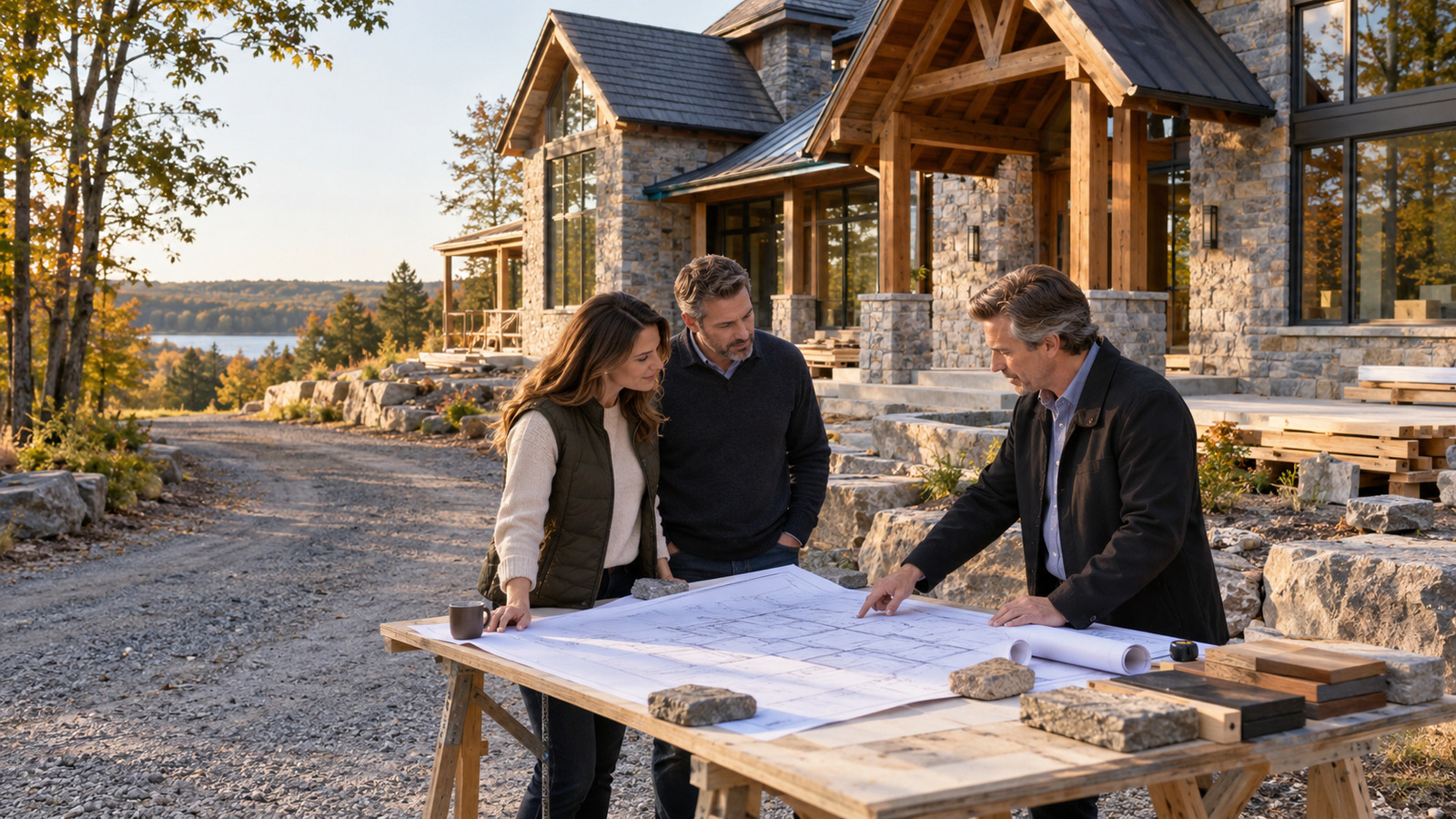
When considering Ottawa luxury real estate, the appeal of a custom-built home on an expansive rural estate often resonates deeply. This segment caters to a specific buyer profile: those seeking privacy, bespoke architectural design, and substantial acreage, often with equestrian facilities, private trails, or multi-generational living arrangements. This isn't merely about square footage; it's about crafting an integrated lifestyle within Ottawa's rural and semi-rural fringes.
My focus here is to dissect the critical elements involved in acquiring or developing these estates. We're beyond turnkey transactions; this requires a strategic approach to land acquisition, builder selection, regulatory compliance, and a clear vision for the final product.
The Allure of Rural Luxury: Beyond the Greenbelt
The greenbelt's constraint on urban sprawl has pushed the frontier for true estate living further afield, opening up significant opportunities for Ottawa luxury real estate. Areas like North Gower, Fitzroy Harbour, and parts of West Carleton offer parcels exceeding five acres, providing the canvas for grander designs than even the largest urban lots permit. These regions deliver on the promise of tranquility and space, while remaining within a commutable distance to downtown Ottawa.
Consider the strategic advantages:
- Privacy and Seclusion: Large setbacks, mature tree lines, and expansive acreage provide a level of privacy unattainable in urban or suburban settings.
- Architectural Latitude: Zoning in rural areas often permits greater flexibility in home size, accessory structures, and even some commercial uses if properly planned, such as a boutique winery or an event venue.
- Investment in Land: While urban land values are high, prime rural parcels with services (or potential thereof) can appreciate significantly, especially as Ottawa's population expands.
- Lifestyle Integration: For horse enthusiasts, hobby farmers, or those desiring abundant outdoor space for recreation, these estates offer unmatched potential.
Identifying Prime Rural Parcels
Finding the right land is paramount. It’s not just about size; it’s about geology, access to services, and future development potential. I’ve worked with clients identifying prime parcels near the Rideau River in Manotick or along the Mississippi River in Fitzroy Harbour for their scenic value, while others prioritize proximity to equestrian facilities or specific school catchments in areas like Dunrobin.
Key considerations for land acquisition:
- Zoning and Permitted Uses: "Rural" zoning isn't monolithic. Understanding specific sub-zones (e.g., Rural Estate, Agricultural Residential) dictates what you can build and how the land can be used.
- Servicing: Is municipal water available, or is a well required? What about septic? Proximity to gas lines or reliance on propane/geothermal? These impact both upfront costs and long-term operating expenses.
- Topography and Soil Conditions: Affects foundation costs, drainage, and suitability for septic fields or landscaping. A geotech report is non-negotiable.
- Environmental Constraints: Presence of wetlands, floodplains, or significant treed areas can limit building envelopes or require conservation authority permits.
- Road Access: Direct access to a suitable municipally maintained road is crucial for ease of access and emergency services.
For a deeper dive into the broader market and available inventory, I recommend exploring the options at Ottawa luxury real estate.

Crafting the Custom Home: Builder Selection and Design Integrity
Once the land is secured, the next phase involves selecting a builder capable of executing a truly custom vision. This is where the distinction between a production builder and a custom estate builder becomes critical. For a custom rural estate in Ottawa, you need a builder with a proven track record in complex projects, often involving significant site work, specialized systems (e.g., advanced HVAC, smart home automation, extensive landscaping), and a collaborative design process.
Choosing Your Ottawa Luxury Real Estate Builder Wisely
My recommendations for builders in this niche are based on a rigorous assessment of their portfolio, client testimonials, and their ability to execute on demanding specifications. Builders like M-Group, Gordon Tobey, or Tartan Custom Homes, when engaged for truly bespoke projects, have the capacity to deliver. However, the best fit often comes down to the specific architectural style and project management approach.
When interviewing prospective builders, insist on:
- Detailed Project Timelines: From excavation to final landscaping, a comprehensive schedule is essential.
- Transparent Cost Breakdown: Lump-sum bids can be dangerous; seek clear line items for all materials, labour, and contingencies.
- Warranty and After-Sales Service: Crucial for complex, high-value builds.
- Architectural Cohesion: Ensure the builder's team (or their recommended architects) can translate your vision into practical, buildable plans that respect the rural aesthetic.

Regulatory Landscape and Permitting for Rural Estates
The construction of a rural estate home in Ottawa is subject to various municipal bylaws and provincial regulations. This process requires foresight and meticulous planning to avoid costly delays.
Navigating the Bureaucracy
- Building Permits: Comprehensive plans, including architectural, structural, mechanical, and electrical drawings, must be submitted to the City of Ottawa.
- Septic System Approvals: If municipal sewer is not available, a septic design must be approved by the Ottawa Public Health Unit. Soil tests are mandatory.
- Well Water Approvals: For private wells, a well permit is required from the Ministry of the Environment, Conservation and Parks (MECP), and the well must meet potable water standards.
- Conservation Authority Approvals: If the property is near a river, creek, or wetland, the local Conservation Authority (e.g., Rideau Valley Conservation Authority, Mississippi Valley Conservation Authority) will need to approve any disturbances or construction within regulated areas.
- Site Plan Control: For particularly large or complex projects, or those with unique environmental considerations, Site Plan Control agreements might be necessary, adding a layer of design review and public consultation.
Understanding these requirements upfront, ideally before land acquisition, can save significant time and expense. My role often includes guiding clients through this intricate web of regulations, connecting them with appropriate consultants, and ensuring their vision aligns with what is permissible.

FAQ: Ottawa Luxury Real Estate on Rural Estates
Q: What's the typical acreage for an Ottawa luxury rural estate? A: While there's no fixed rule, most qualify as estates with 2-10 acres. However, properties exceeding 20 acres are not uncommon, particularly those with significant agricultural or recreational features.
Q: How long does a custom build on a rural estate usually take? A: From securing land to moving in, including design, permitting, and construction, a complex custom rural estate can take 24-36 months. The permitting phase alone can be 6-12 months for intricate projects.
Q: What are the unique financial considerations for rural luxury properties? A: Beyond the purchase price, consider costs for well drilling, septic installation, extensive landscaping, longer utility runs, and potentially higher insurance premiums due to distance from fire services. Property taxes are also assessed differently by MPAC for rural properties.
---
Navigating the acquisition and development of an Ottawa luxury real estate rural estate requires a specific expertise. If you're serious about this unique segment of the market, let's discuss your vision and strategize your next steps. Contact me for a confidential consultation.
Straight From the Source
Check the numbers yourself
These are the official sources I use for current Ottawa real estate data, government programs and buyer protection.
Featured homes
Current listings in Downtown Ottawa
On the market
Homes for sale in Downtown Ottawa
Condos, townhomes, semis, and detached homes from the Ottawa MLS board, refreshed daily. Commercial, land, and rental listings aren't included here.
Listing information is supplied by third-party brokerage and listing data sources. Status, price and details can change without notice, are believed reliable but are not guaranteed, and must be independently verified. Shown for personal, non-commercial use. Not intended to solicit properties already listed with another brokerage. Full disclosures.