June 13, 2026
Investment Properties: The Numbers a First-Time Buyer Should Run
Cap rate, cash-on-cash return and the Ottawa-specific rental rules a first-time investor should run before making an offer on a rental property.
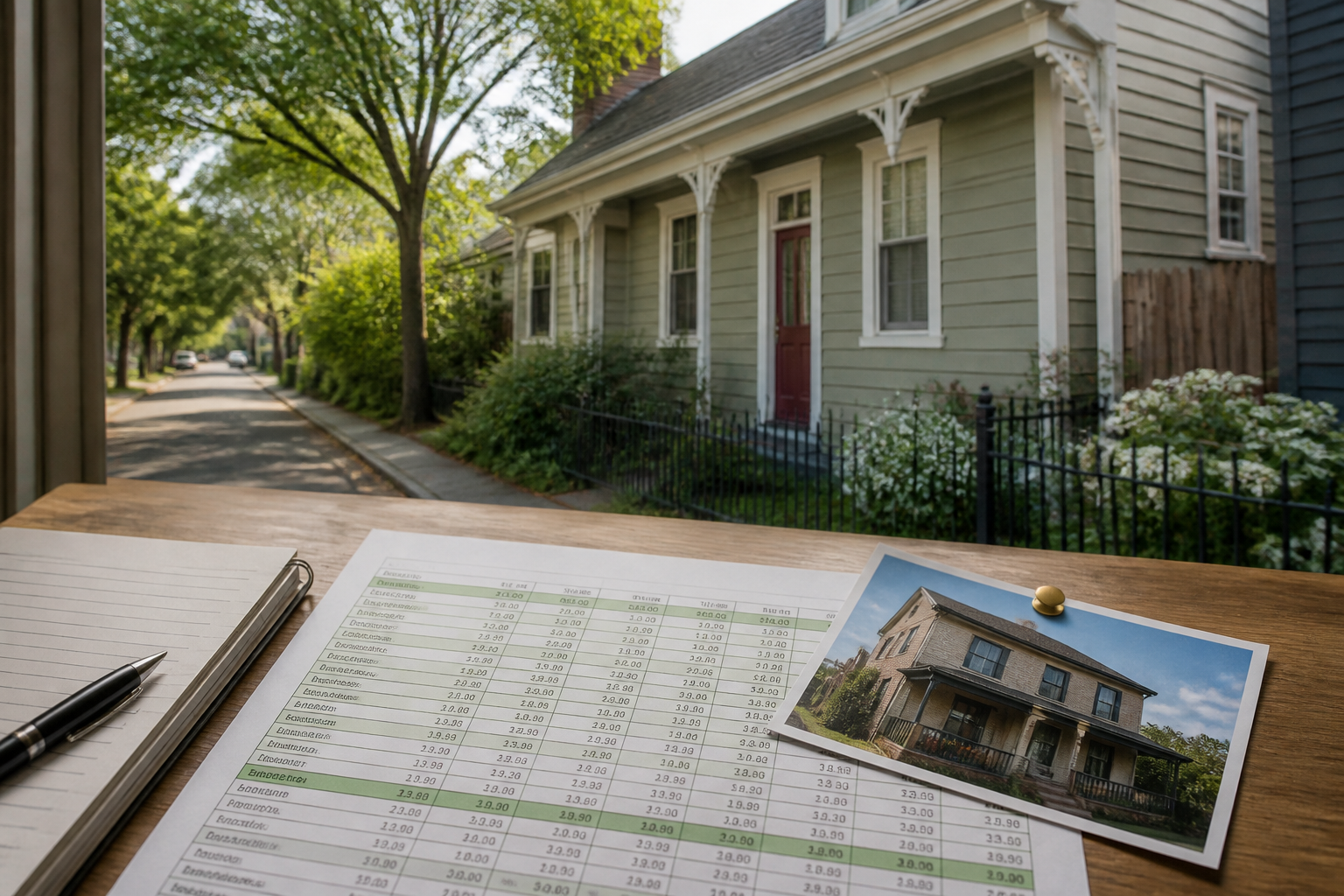
An Ottawa rental property can be a strong long-term investment, but the first-time investor math is different from the first-time owner-occupier math. Run the numbers honestly before you buy.
Down payment and financing. Investment properties require a minimum 20% down payment in Canada (CMHC-insured high-ratio mortgages aren't available for non-owner-occupied properties). Investor mortgage rates are typically 0.10%–0.40% higher than owner-occupier rates, and lenders apply a haircut to rental income when qualifying you (most use 50%–80% of projected rent).

The two metrics that matter. Cap rate is annual net operating income divided by purchase price. NOI = gross rent − vacancy allowance (5%) − property tax − insurance − repairs/maintenance (1% of value annually as a reserve) − property management (8%–10% of rent if you use a manager) − utilities you pay − condo fees if applicable. Mortgage payments are NOT in cap rate. On Ottawa rentals in 2026, cap rates of 4.0%–5.5% are typical for condos and 4.5%–6.5% for single-family in mature neighbourhoods; lower cap rates suggest you're paying for appreciation potential, higher suggest stronger immediate cash flow but often more risk or work.
Cash-on-cash return is the more practical metric. Annual pre-tax cash flow (NOI − mortgage payments) divided by total cash invested (down payment + closing costs + immediate repairs). A 5%–8% cash-on-cash return is the typical entry-point target. Negative cash flow is acceptable only if you can carry it comfortably and you have a clear thesis for appreciation.
Ottawa-specific considerations. The Residential Tenancies Act caps annual rent increases to a published guideline (2.5% for 2026); above-guideline increases require Landlord and Tenant Board approval. Tenants have strong rights — the LTB queue can be 6–12 months, and you cannot evict for renovation or own-use without specific procedures and compensation. Short-term rentals require Ottawa's STR Host Permit and most condos prohibit STRs outright; don't underwrite a deal on Airbnb pro formas without checking both the city rules and the condo declaration.
The honest first-time investor framing: if the deal only works on aggressive rent increases, perfect occupancy, and no major repairs, it doesn't work. Build conservative assumptions and a 6-month carrying cost reserve. The investors who do well in Ottawa long-term are the ones who could survive a year of vacancy on any single property without panic.
Further reading
More from the journal:
Trusted outside sources:
Straight From the Source
Check the numbers yourself
These are the official sources I use for current Ottawa real estate data, government programs and buyer protection.