May 26, 2026
Choosing a Neighbourhood: Schools, Transit, and Future Growth
A framework for matching a community to the next ten years of your life, not just today.
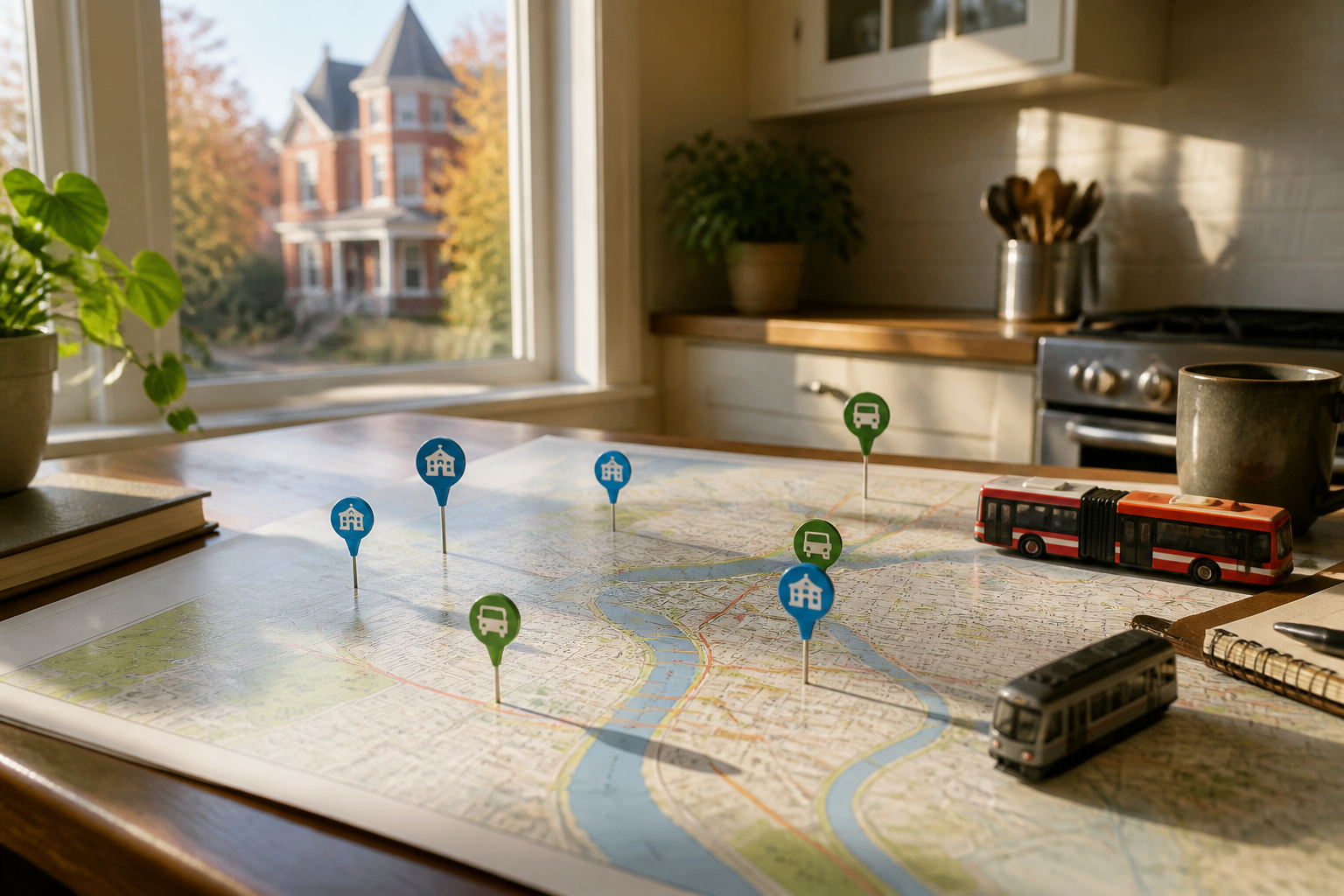
The right home in the wrong neighbourhood is the most expensive mistake a first-time buyer can make. Here's a framework for matching an Ottawa community to the next ten years of your life — not just today.
Start with commute, in minutes and modes. Drive your potential commute at the actual hour you'd leave, on a Tuesday, in both directions. Then check the OC Transpo and O-Train options for the same trip. Ottawa's LRT continues to expand; a home that's "far from transit" today may be a 12-minute walk from a Stage 2 or 3 station within your ownership window. Check the City of Ottawa's transit project pages, not just current maps.
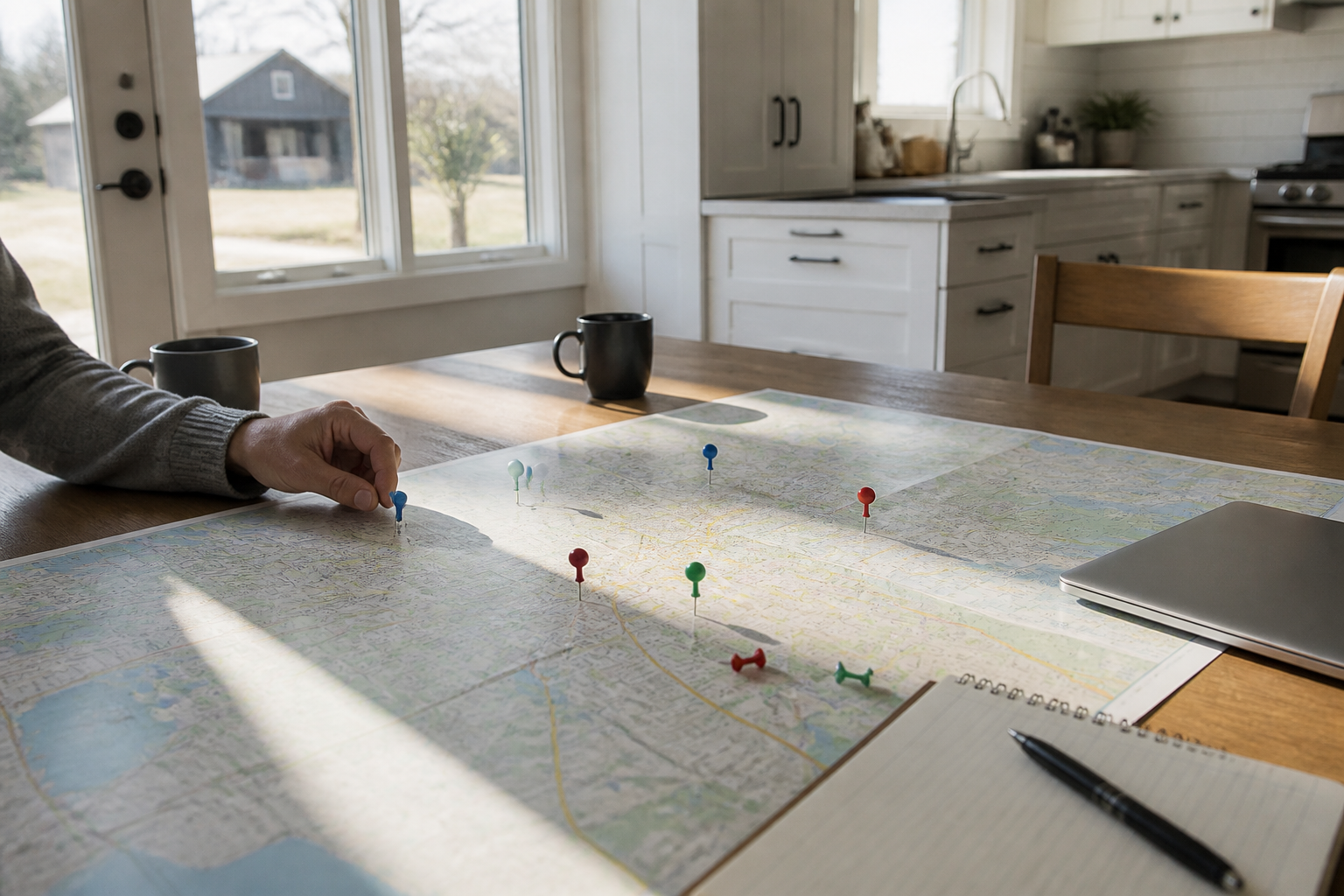
School catchments deserve more weight than first-time buyers usually give them. In Ottawa, public, Catholic, French public, and French Catholic boards each draw their own catchments — so the same street can feed four different elementary schools depending on the program. Use each board's school locator with the exact address before you fall in love with a home. Catchments change; the boundaries you see today are not guaranteed for your kid's grade 4 year.
Future growth and density matter for resale. Pull the City of Ottawa's Official Plan and the relevant secondary plan for the area. Streets and parcels marked for intensification (mid-rise, mixed-use, transit-oriented) tend to see stronger appreciation but also more construction noise and traffic over the decade. Streets in stable low-rise areas appreciate more slowly but stay quieter. Neither is wrong — just know which one you're buying.
Walkability and daily errands are easy to forget on a Saturday tour. Within a 15-minute walk, can you reach a grocery store, a pharmacy, a coffee shop you'd actually use, and a park? Hintonburg, Westboro, the Glebe, Old Ottawa South, and Centretown score high here. Newer suburban builds in Barrhaven, Kanata, and Orléans typically require a car for everything — fine if that suits your life, frustrating if it doesn't.
Walk the block at three different times: a weekday morning, a Friday evening, and a Sunday afternoon. You'll learn more in those three walks than in five showings.
Further reading
More from the journal:
Trusted outside sources:
- OC Transpo system map
- Ottawa-Carleton District School Board — find your school
- City of Ottawa Official Plan
Straight From the Source
Check the numbers yourself
These are the official sources I use for current Ottawa real estate data, government programs and buyer protection.
Featured homes
Current listings in Barrhaven
On the market
Homes for sale in Barrhaven
Condos, townhomes, semis, and detached homes from the Ottawa MLS board, refreshed daily. Commercial, land, and rental listings aren't included here.
Listing information is supplied by third-party brokerage and listing data sources. Status, price and details can change without notice, are believed reliable but are not guaranteed, and must be independently verified. Shown for personal, non-commercial use. Not intended to solicit properties already listed with another brokerage. Full disclosures.